Insurance helps individuals and businesses manage financial losses caused by unexpected events such as accidents, fire, theft, natural disasters, and medical emergencies. However, purchasing an insurance policy alone cannot prevent these incidents from happening. Policyholders must also take practical steps to identify risks, reduce the chances of accidents, and minimise potential damage. These activities are commonly associated with risk management and loss prevention.
Insurance control refers to the measures used by individuals, organisations, and insurance companies to manage risks and reduce the frequency or severity of insured losses. It includes identifying potential dangers, implementing safety procedures, monitoring risks, and taking corrective action. Understanding insurance control and loss prevention can help policyholders protect their assets, improve safety, and manage insurance costs more effectively.
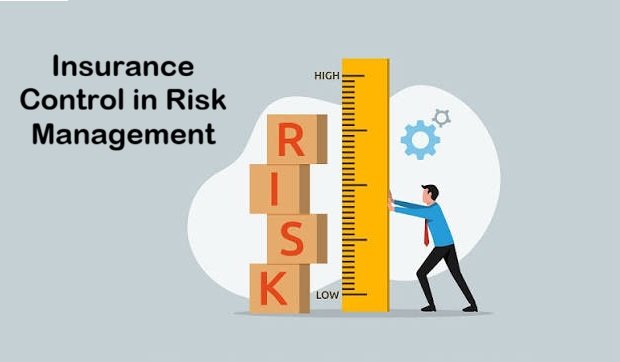
What Is Insurance Control in Risk Management?
Insurance control is the process of identifying, evaluating, and managing risks that may result in financial losses covered by an insurance policy. It involves using preventive measures and risk management strategies to reduce the likelihood of an insured event or limit its financial consequences.
For example, a manufacturing company may face risks related to workplace accidents, machinery breakdowns, fire, and damage to stored materials. To control these risks, the company may install fire alarms, maintain equipment regularly, train employees, and establish emergency procedures.
Insurance companies also use risk control practices when evaluating businesses and individuals applying for coverage. They may inspect properties, review safety arrangements, and recommend improvements before issuing or renewing certain policies.
What Is Risk Management?
Risk management is a systematic process of identifying potential risks and deciding how to handle them. It helps individuals and organisations prepare for uncertain events that could affect their finances, operations, property, or safety.
The main objective is not necessarily to eliminate every risk but to reduce exposure to an acceptable level.
Major Steps in the Risk Management Process
Risk Identification
The first step is identifying possible risks that could cause financial or physical damage.
For example, a business may identify fire hazards, employee injuries, cyberattacks, theft, equipment failures, and natural disasters as potential risks.
Risk Assessment
After identifying risks, the next step is evaluating their likelihood and potential impact. Organisations may classify risks as low, medium, or high priority.
For instance, a warehouse storing flammable materials may face a greater fire risk than an ordinary office. This assessment helps determine which safety measures require immediate attention.
Risk Control and Mitigation
Once risks are assessed, appropriate measures are introduced to prevent incidents or reduce their impact. These may include installing security systems, conducting safety training, maintaining machinery, and implementing data protection procedures.
Risk Financing and Insurance
Some risks cannot be completely prevented. Insurance can transfer specified financial risks to an insurer in exchange for premiums. Businesses may also retain certain risks through deductibles, reserves, or other financial arrangements.
Monitoring and Review
Risk management is an ongoing process. Organisations should regularly review their safety procedures, identify new threats, and update their risk control strategies.
What Is Loss Prevention in Insurance?
Loss prevention refers to activities designed to stop an insured loss from occurring in the first place. It focuses on reducing the probability of accidents, damage, theft, or other harmful events.
For example, installing smoke detectors and maintaining electrical wiring can help prevent fire-related losses. Similarly, using security cameras and access-control systems can reduce the risk of theft.
Loss prevention is particularly important in property, motor, health, workplace, and commercial insurance.
Examples of Loss Prevention Measures
Fire Prevention: Businesses and homeowners can install fire alarms, maintain electrical systems, store flammable materials safely, and keep fire extinguishers accessible.
Vehicle Accident Prevention: Drivers can follow traffic rules, maintain their vehicles, avoid distracted driving, and use appropriate safety equipment.
Workplace Safety: Employers can provide protective equipment, conduct safety training, maintain machinery, and establish emergency evacuation procedures.
Theft Prevention: Property owners can use security cameras, alarms, strong locks, and controlled access systems to protect buildings and valuable belongings.
Cybersecurity Measures: Businesses can use strong passwords, multi-factor authentication, regular software updates, employee awareness training, and secure data backups to reduce cyber risks.
Difference Between Loss Prevention and Loss Reduction
Loss prevention and loss reduction are related concepts, but they have different objectives.
Loss prevention aims to stop an incident from happening. Loss reduction focuses on limiting the damage after an incident occurs or reducing its severity.
For example, installing electrical safety equipment can help prevent a fire. Installing automatic fire-suppression systems can help limit damage if a fire nevertheless breaks out.
| Basis | Loss Prevention | Loss Reduction |
| Meaning | Prevents a loss from occurring | Minimises the severity of a loss |
| Main objective | Reduce the probability of an incident | Reduce damage or financial impact |
| Focus | Before an incident | During or after an incident |
| Example | Regular electrical inspections | Automatic fire-suppression systems |
| Expected benefit | Fewer accidents and claims | Lower losses when accidents occur |
Both strategies are important components of effective risk management.
Role of Insurance Companies in Risk Management
Insurance companies do more than collect premiums and settle claims. They may also help policyholders understand and control risks.
Risk Inspection: Insurers may inspect commercial properties, factories, warehouses, or other insured assets to identify potential hazards.
Safety Recommendations: Based on their assessments, insurers may recommend improvements such as better fire protection, security arrangements, or equipment maintenance.
Risk Assessment During Underwriting: Insurers evaluate the nature and level of risk before deciding whether to provide coverage and on what terms.
Loss Analysis: Claim information can help insurers identify recurring causes of losses and recommend preventive measures.
Policy Conditions: Some insurance policies include requirements relating to safety, maintenance, security, or risk management. Policyholders should follow these conditions to avoid coverage disputes.
Benefits of Insurance Control and Loss Prevention
Effective risk management offers several advantages to individuals and businesses.
- Lower Financial Losses: Preventive measures can reduce damage to property, equipment, and other assets.
- Improved Safety: Workplace safety arrangements help protect employees, customers, and visitors.
- Fewer Insurance Claims: Reducing accidents and property damage may lower the frequency of claims.
- Business Continuity: Risk management helps organisations prepare for disruptions and recover more effectively.
- Better Asset Protection: Regular maintenance and security measures protect valuable property.
- Potential Insurance Savings: Some insurers may consider effective risk controls when assessing premiums or offering policy terms, although discounts are not guaranteed.
Conclusion
Insurance control, risk management, and loss prevention are important practices for protecting individuals, businesses, and valuable assets against unexpected events. Risk management involves identifying, assessing, and handling potential threats, while loss prevention focuses on stopping incidents before they happen. Loss reduction complements these activities by limiting damage when an incident occurs.
Although insurance provides financial protection against covered losses, preventive measures help reduce the chances of needing to make a claim. Combining suitable insurance coverage with effective safety practices can improve financial security, reduce operational disruptions, and support long-term stability.
Frequently Asked Questions (FAQs)
Q. What is insurance control in simple words?
Insurance control refers to measures used to identify, manage, and reduce risks that could result in financial losses covered by an insurance policy.
Q. What is loss prevention in insurance?
Loss prevention means taking steps to stop accidents, theft, property damage, and other insured events from occurring.
Q. What is the difference between risk management and loss prevention?
Risk management is a broader process that includes identifying, assessing, controlling, financing, and monitoring risks. Loss prevention is one part of risk management that focuses on preventing incidents.
Q. What are some examples of loss prevention?
Examples include installing fire alarms, maintaining vehicles, using security cameras, providing workplace safety training, and implementing cybersecurity measures.
Q. How do insurance companies help with risk management?
Insurance companies may inspect properties, assess risks, recommend safety improvements, review claims, and establish policy conditions to help manage potential losses.
Q. Can loss prevention reduce insurance premiums?
Effective loss prevention may help reduce risk and can sometimes support more favourable insurance terms or premium discounts. However, savings depend on the insurer, policy type, and risk assessment.
Q. Why is risk management important for businesses?
Risk management helps businesses protect employees and assets, prevent financial losses, maintain operations, and prepare for unexpected disruptions.