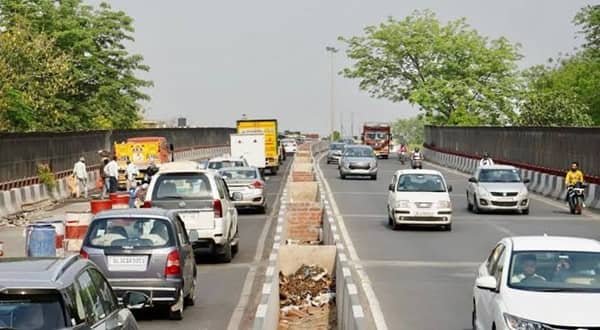
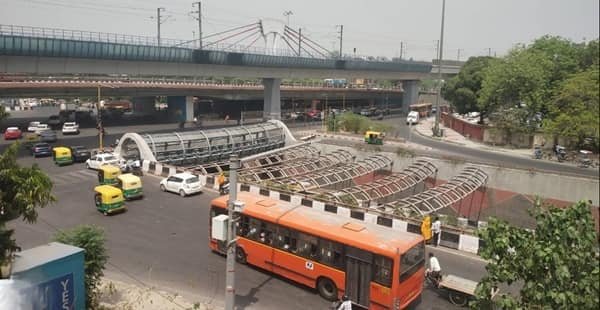
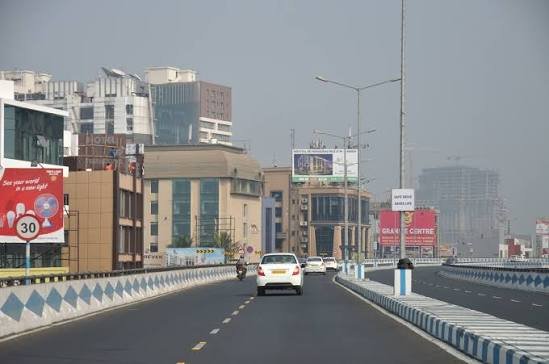
With Mira Road and Bhayandar growing into one of the busiest suburban belts north of Mumbai, the road system around Mira-Bhayandar Road has had to carry far more local, commercial and through traffic than it did a decade ago. The double-decker flyover built together with Mumbai Metro Line 9 is one of the most important recent upgrades in this corridor because road traffic and metro infrastructure share the same pier system instead of competing for limited road space.
In this guide, “Mira Bhayandar Flyover” mainly refers to the 850-metre road flyover from Sai Baba Nagar Metro Station near S.K. Stone Junction to Shivar Garden, inaugurated in March 2025. MMRDA had already opened another approximately one-kilometre double-decker section in August 2024 around Pleasant Park, Hatkesh and Silver Park. Together, these structures are reshaping movement on Mira-Bhayandar Road and are best understood as part of the wider Metro Line 9 corridor rather than as an isolated bridge.
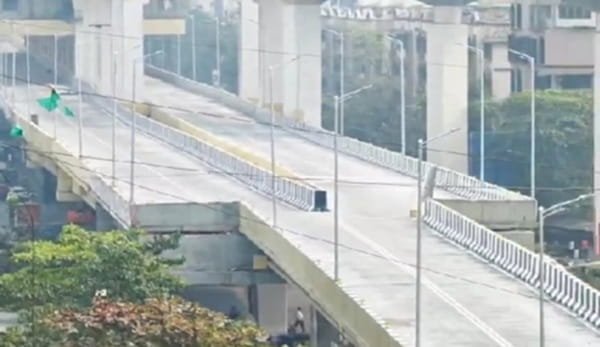
Mira Bhayandar Flyover Quick Overview
| Particular | Details |
| Location | Mira Road–Bhayandar, Thane district, Maharashtra |
| Main Corridor | Mira-Bhayandar Road / Metro Line 9 corridor |
| Structure Type | Double-decker road flyover integrated with an elevated metro viaduct |
| Key Section | Sai Baba Nagar near S.K. Stone Junction to Shivar Garden |
| Length | About 850 metres for the 2025 section |
| Road Width | About 17 metres, with 2+2 traffic lanes |
| Opened | 8 March 2025 |
| Key Benefit | Bypasses S.K. Stone, Kanakia and Shivar Garden junctions |
Where Is Mira Bhayandar Flyover Located?
The flyover lies in the dense Mira Road–Bhayandar urban belt, where Mira-Bhayandar Road carries local buses, autos, private vehicles and commercial traffic between Mira Road, Bhayandar and surrounding residential clusters. Its ramps are positioned to lift through traffic above some of the busiest at-grade junctions. Because the structure shares piers with Metro Line 9, commuters may see the road deck and metro viaduct as parts of one integrated transport structure.
Connectivity of Mira Bhayandar Flyover
For road users, the flyover improves movement through central Mira Road and towards Bhayandar without forcing every vehicle through the same surface-level signals. It also supports access towards Dahisar and the Western Express Highway side through the larger Mira-Bhayandar road network. On the public-transport side, Metro Line 9 Phase I from Dahisar East to Kashigaon became operational in April 2026, while later stations farther inside Mira-Bhayandar are still part of the continuing corridor development.
Directions to Mira Bhayandar Flyover
The most useful approach depends on where the trip starts and whether the driver needs the elevated through route or a local surface-road turn.
| Starting Point | Route / Direction |
| Dahisar / Mumbai Side | Proceed towards Mira Road through the Dahisar–Mira corridor and continue on Mira-Bhayandar Road. Follow signs for the relevant ramp depending on whether you are continuing towards Bhayandar or staying on the service road. |
| Kashigaon Side | Use Mira-Bhayandar Road towards central Mira Road. Stay alert for ramp entry signs as the double-decker sections begin beyond the major junctions. |
| Bhayandar Side | Travel towards Mira Road on the main arterial road and use the flyover where through movement is permitted; remain below for local turns and property access. |
| Mira Road Railway Station Side | Use the local east-west connector to join Mira-Bhayandar Road, then select the surface road or flyover according to your destination. |
| Western Express Highway Side | Approach through Dahisar/Mira Road links and enter Mira-Bhayandar Road. Live navigation is helpful because metro-related traffic management can affect service-road movements. |
Live navigation is recommended during peak periods because temporary traffic controls, road works, incidents or local diversions can change the fastest approach.
Nearby Areas Around Mira Bhayandar Flyover
The flyover serves more than one neighbourhood. These are the main nearby areas and why they matter to commuters.
| Nearby Area | Why It Is Relevant |
| Sai Baba Nagar | Key point on the 2025 double-decker section and a planned/ongoing Metro Line 9 station area. |
| S.K. Stone Junction | One of the important bottlenecks bypassed by the flyover. |
| Kanakia | Dense residential and commercial pocket served by Mira-Bhayandar Road. |
| Shivar Garden | Major junction at the Bhayandar side of the 850-metre section. |
| Hatkesh | Part of the earlier double-decker flyover section opened in 2024. |
| Silver Park | Busy residential-commercial area on the Mira-Bhayandar corridor. |
| Mira Road East | Large residential zone connected to the railway station and arterial road network. |
| Bhayandar East | Important suburban destination farther north on the same road system. |
Why the Double-Decker Corridor Matters
Mira-Bhayandar Road has limited space for repeated widening because dense development sits close to the carriageway. Sharing structural piers between the road flyover and Metro Line 9 allows two transport layers to use the same corridor footprint. The road deck removes selected junction conflicts today, while the metro above it is intended to provide a higher-capacity alternative to private vehicles as additional phases become operational.
Route Planning Notes
For route planning, commuters should separate the status of the road flyover from the status of the metro. The road structure may be fully open while a station above or nearby is still under construction or not yet part of the operational metro section. Checking both road traffic and the current Metro Line 9 operating map prevents avoidable last-mile problems.
Public Transport and Local Access
Mira Road and Bhayandar suburban railway stations remain major public-transport anchors for the area. BEST/MBMT-type bus services, autos and cabs provide local connections. Metro Line 9 is being opened in phases: as of September 2026, the operational phase reaches Kashigaon, so passengers travelling deeper towards Sai Baba Nagar or Shivar Garden should check the latest operating section before planning a metro-only journey.
Driving Tips
- Use the flyover for through movement; stay on the surface road for local shops, societies and side-road turns.
- Do not assume every metro station visible on the viaduct is already open to passengers.
- Choose the correct lane before S.K. Stone and other major junctions because ramp and surface-road traffic separate quickly.
- Allow extra time during evening peaks and during any continuing Metro Line 9 works.
- Avoid stopping on the flyover ramps for pickups or drop-offs.
FAQs
1. Why is this called a double-decker flyover?
The road flyover and Metro Line 9 use the same vertical corridor and common structural elements. Road traffic runs on one elevated level while the metro viaduct occupies the upper level.
2. Are all Metro Line 9 stations along the Mira-Bhayandar flyover already operational?
No. Metro Line 9 is opening in phases. The first operational section reached Kashigaon in April 2026, while later stations toward the interior of Mira-Bhayandar have been progressing separately.
3. Is the 850-metre structure the only double-decker flyover in Mira-Bhayandar?
No. MMRDA opened an earlier approximately one-kilometre double-decker section in 2024 around Pleasant Park, Hatkesh and Silver Park. The 2025 Sai Baba Nagar–Shivar Garden section is another important part of the same corridor.
4. Should local traffic use the flyover or the road below?
Vehicles making nearby turns, entering housing societies or accessing local businesses will often need the surface road. The flyover is more useful for through movement across congested junctions.
5. Can pedestrians use the road flyover?
The structure is intended for vehicular movement. Pedestrians should use designated footpaths, crossings and metro access facilities rather than walk on vehicle ramps.
6. Does the flyover remove all traffic congestion on Mira-Bhayandar Road?
No. It removes some junction conflicts, but queues can still build at ramp merges, service roads and downstream intersections during peak hours.